


Beginning
Proper RV maintenance is important for safe travel, long-lasting use, and a stress-free camping trip. It might seem like a lot of work to maintain an RV at first because it serves as both a vehicle and a small home. Every part needs regular care, from the engine to the plumbing, electrical systems, and roof. A clear and simple maintenance list can help new RV owners stay on top of things and avoid costly repairs. Taking care of your RV properly will not only make it last longer, but it will also make it run better, use less gas, and be more comfortable on the road.
Learning about the basic systems in your RV
There are several systems in every RV that work together. Before doing regular maintenance, beginners need to know how these systems work. The engine or tow vehicle, electrical parts, plumbing lines, propane systems, and climate control systems are all important parts of the system. When you learn about these systems, it will be easier to spot problems early on. You can better understand the manufacturer’s recommendations, service intervals, and safety guidelines by regularly looking over your RV manual. If you know how your RV’s systems work, you can stop problems before they get worse and cost you a lot of money to fix.
Regular Checks of the Outside
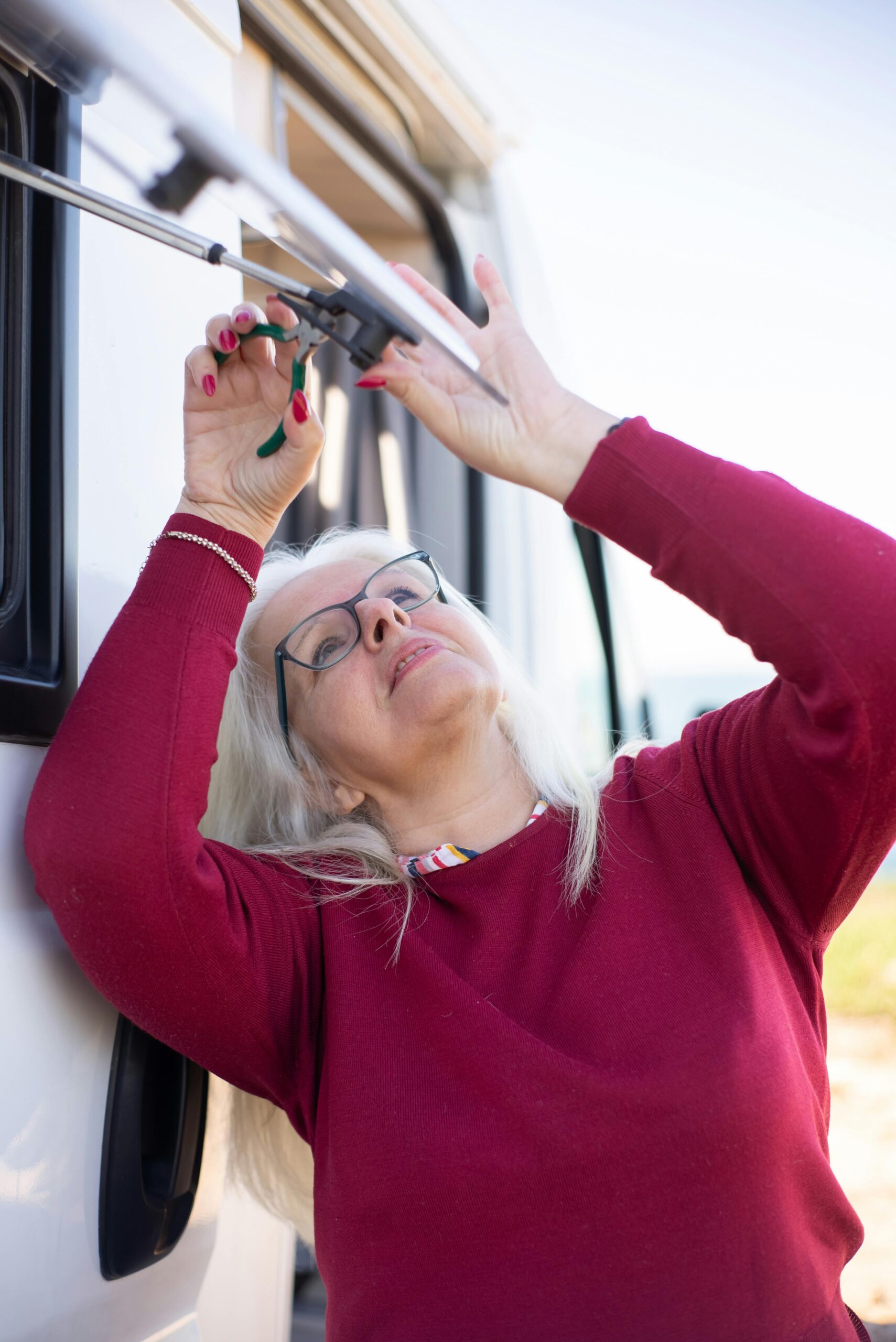
The outside of an RV is always exposed to sunlight, rain, wind, and debris on the road. You can find cracks, loose seals, rust, or damage early by checking things often. Look for dents, chipped paint, or other signs of wear on the RV’s body that could let water in. Check all of the windows and doors to make sure the seals are still intact and working. Check the awning for tears or mould growth, since damaged awnings can fall apart quickly. Keeping an eye on the outside of the RV helps keep its structure strong and its resale value high.
Taking care of the engine and other parts
If you have a motorhome, you need to take care of the engine and other mechanical parts on a regular basis to make sure they work well. For long trips, it’s important to change the oil, check the coolant, inspect the brakes and keep an eye on the gearbox. You should also check the tread depth, wheel alignment, and tyre pressure often to avoid accidents on the road or uneven wear. People who own towable RVs need to check their tow vehicle, brakes, and hitch systems to make sure they can tow safely. Keeping your RV’s engine and other parts in good shape stops them from breaking down and gets it ready for long trips.
Taking Care of Your Plumbing System
The plumbing system in an RV has all the faucets, the water pump, grey and black tanks, and lines that carry fresh water. Checking these parts on a regular basis stops leaks, bad smells, and clogged drains. To keep your water tanks from getting dirty and full, clean them often. You should also flush the water heater from time to time to keep it working well. Check that the hoses are not cracked and are connected correctly. If you take care of your plumbing system, you’ll always have clean water and won’t have to deal with messy situations while you’re away.
Taking care of the electrical system
The electrical system in your RV powers lights, appliances, outlets, and entertainment devices. To keep them from breaking down, both the 12-volt and 120-volt systems need to be looked after. Check your batteries often to make sure they are charged and not corroded. Check all the wiring for signs of damage or overheating. Check your generator from time to time to make sure it works when you need it to. If you don’t keep up with maintenance, even a small electrical problem could ruin your whole camping trip.
Checks for climate control and ventilation
For comfort all year long, it’s important to have the right heating, cooling, and airflow. Check the air conditioner, furnace, fans, and vents often for dust, dirt, or things that might be blocking them. Cleaning filters makes the air flow better and keeps the system from getting too stressed. Make sure that your roof vents and skylights open and close correctly. Keeping your climate control system in good shape helps keep the temperature inside stable and stops moisture from building up, which can cause mould or bad smells.
In conclusion
A full RV maintenance checklist is important for keeping your vehicle in good shape, especially if you’re new to RVing and still figuring out how everything works. Regular checks keep your RV safe and reliable for every trip and stop you from having to pay for expensive repairs. You can protect your investment and your travel experience by regularly checking your plumbing, electrical systems, climate controls, and the outside of your home. Taking care of your RV not only makes it more comfortable to drive, but it also makes it work better and last longer.
Questions and Answers
How often should I do basic maintenance on my RV?
Before each trip, you should check things like the tyre pressure, fluid levels, and the outside of the car. Deeper maintenance can be done once a month or once a season.
Do beginners need help from a professional to take care of their RV?
Beginners can do a lot of simple tasks on their own, but they may need a certified technician for more complicated repairs that involve plumbing, engines, or electrical systems.
How often do I need to clean the water tanks in my RV?
You should clean your grey and black tanks every time you empty them, and you should sanitise your freshwater tanks every few months.
Is it really important to check the tire pressure on RVs?
Yes, keeping the right amount of air in your tires keeps them from blowing out, makes your car more fuel efficient, and makes long trips safer overall.
How long do batteries for RVs last?
With the right care, most RV batteries last three to five years. But bad weather and heavy use can make them last less time.
Should people who are new to RVing make their own maintenance schedule?
Yes, making a schedule that works for your RV model and how often you travel will help you stay on track and organised.