Introduction
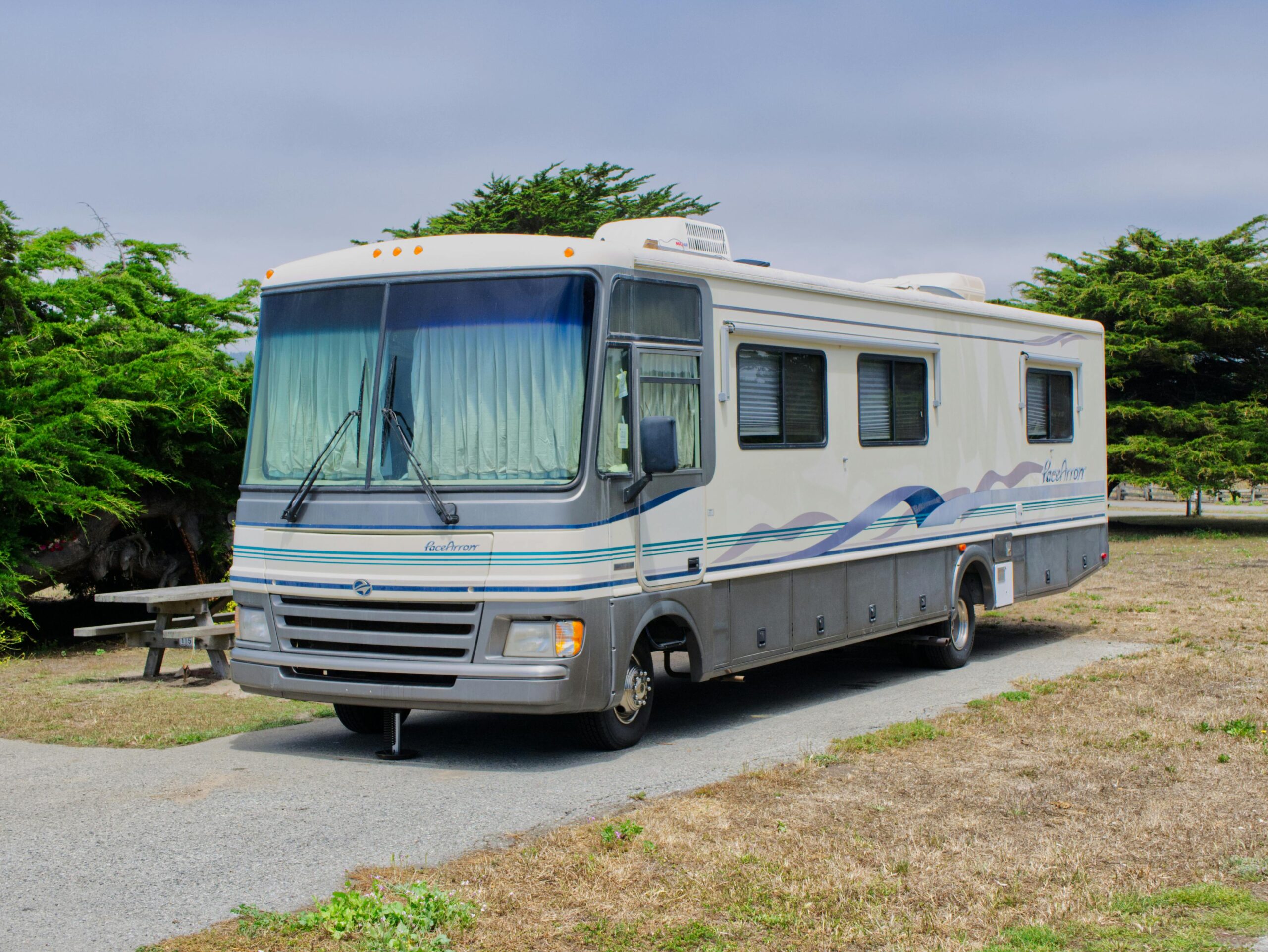
RV camping offers the freedom to explore new destinations while bringing the comforts of home along for the ride. When I first took my RV on a cross-country trip, I realized that a little planning and preparation can transform a good trip into an unforgettable adventure. Without it, even the most scenic routes can turn stressful.
This guide shares expert tips for RV camping and travel, covering safety, comfort, and practical strategies to make every trip enjoyable and memorable.
Why Smart RV Planning Matters
Planning your RV trip is more than just picking destinations. Thoughtful preparation helps you:
- Stay safe: Avoid accidents and prevent vehicle breakdowns
- Save money: Reduce fuel costs, campsite fees, and unexpected repairs
- Enjoy comfort: Ensure sleeping, cooking, and bathroom needs are met
- Maximize fun: Focus on experiences instead of dealing with preventable problems
Even small details, like pre-mapping campgrounds or checking RV systems, make a big difference on the road.
1. Prepare Your RV Before Every Trip
Inspect Key Systems
- Engine and tires: Check fluid levels, tire pressure, tread, and brakes
- Plumbing and water systems: Inspect for leaks, clean tanks, and fill fresh water
- Electrical system: Test lights, outlets, batteries, and generator
- Propane and gas systems: Ensure tanks are full and connections are secure
Stock Essential Supplies
- Tools and repair kits
- First aid kit
- Flashlights and extra batteries
- Food, water, and emergency rations
Real-Life Insight
Before my first trip, I skipped a full check of the RV, and a minor battery issue delayed us for hours. Now, I never leave without a pre-trip checklist.
2. Plan Your Route and Campgrounds
- Use apps or websites to locate RV-friendly campgrounds and rest stops
- Consider road restrictions, low bridges, and narrow routes for larger RVs
- Make reservations during peak seasons to guarantee spots
- Factor in travel times, fuel stops, and meal breaks
Tip
I always plan alternate routes in case of unexpected road closures or heavy traffic. It reduces stress and keeps the trip flexible.
3. Pack Smart and Efficiently
Essential Packing Tips
- Pack by zones: Keep kitchen, sleeping, and travel essentials separate
- Secure loose items: Prevent damage while driving
- Lightweight and multipurpose items: Saves space and reduces weight
- Personal comfort items: Bedding, blankets, chairs, and outdoor gear
Practical Example
Rolling luggage and collapsible storage bins made loading and unloading much faster while keeping the RV organized.
4. Stay Safe on the Road
- Obey speed limits and adjust for weather conditions
- Keep a safe distance from other vehicles
- Be cautious when maneuvering through tight spaces or campgrounds
- Familiarize yourself with RV height, width, and weight limits
Safety Tip
I use spotters or backup cameras when reversing in crowded campgrounds—it prevents accidents and keeps everyone safe.
5. Set Up Camp Efficiently
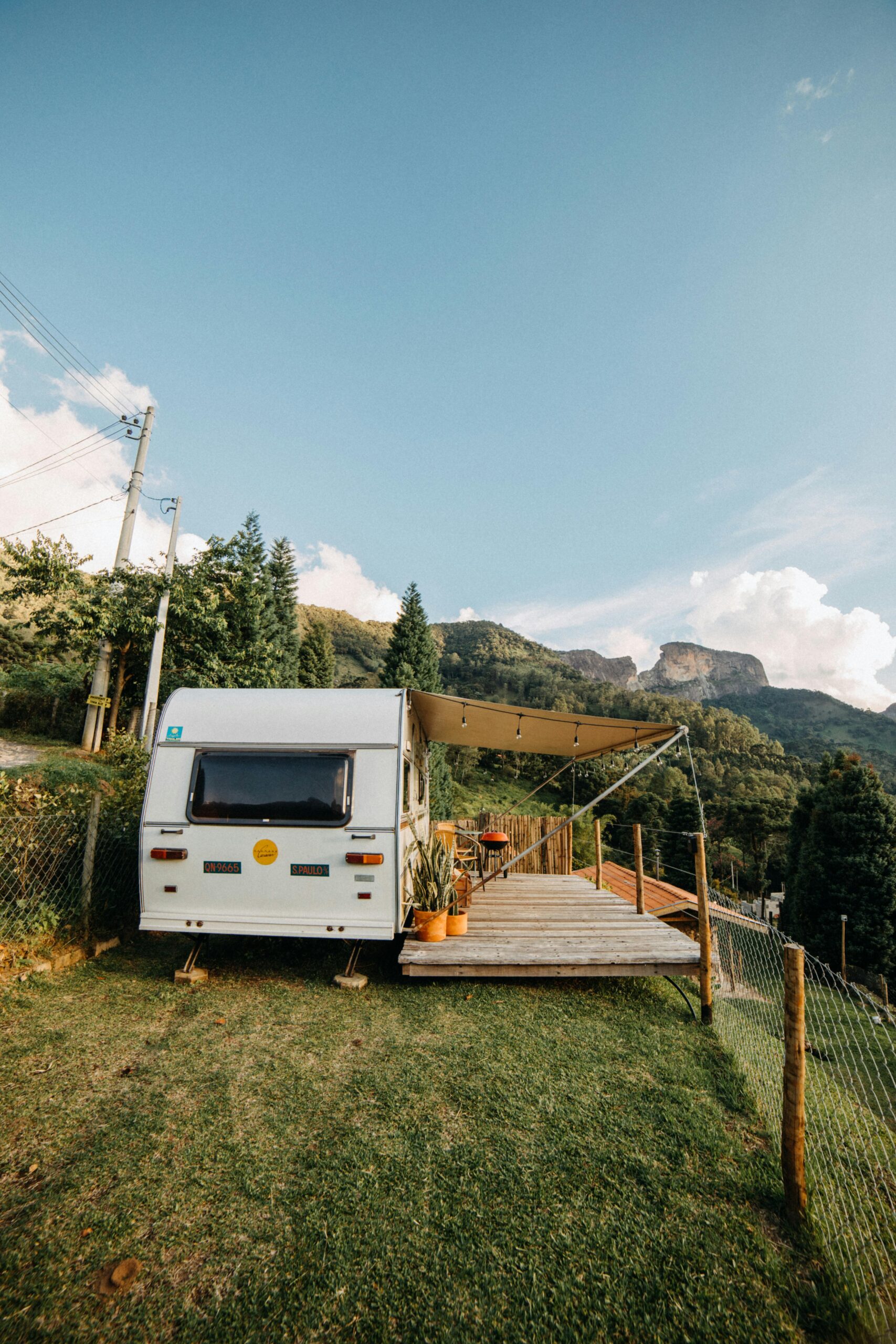
- Level your RV to ensure comfort and proper appliance operation
- Connect water, electricity, and sewer systems correctly
- Deploy stabilizing jacks to prevent movement
- Arrange outdoor gear for easy access
Real-Life Insight
Learning to level the RV on uneven ground improved sleep quality and prevented plumbing issues during my first trips.
6. Practice Responsible RV Camping
- Leave no trace: Clean up trash and avoid damaging natural areas
- Follow campground rules: Respect quiet hours and campsite boundaries
- Conserve resources: Use water and electricity responsibly
- Respect wildlife: Keep a safe distance and avoid feeding animals
Tip
I bring reusable utensils and containers, which reduces waste and makes cleanup easier at campgrounds.
7. Cook and Eat Comfortably on the Road
- Plan simple meals that use minimal pots and pans
- Stock up on non-perishable and easy-to-store foods
- Keep the kitchen organized to prevent spills
- Bring outdoor cooking gear for grilling or campfires
Practical Example
Having a small pantry with pre-portioned ingredients saves time and ensures everyone eats well without stressing about storage space.
8. Keep Entertained and Comfortable
- Bring board games, books, or portable electronics
- Plan outdoor activities like hiking, kayaking, or biking
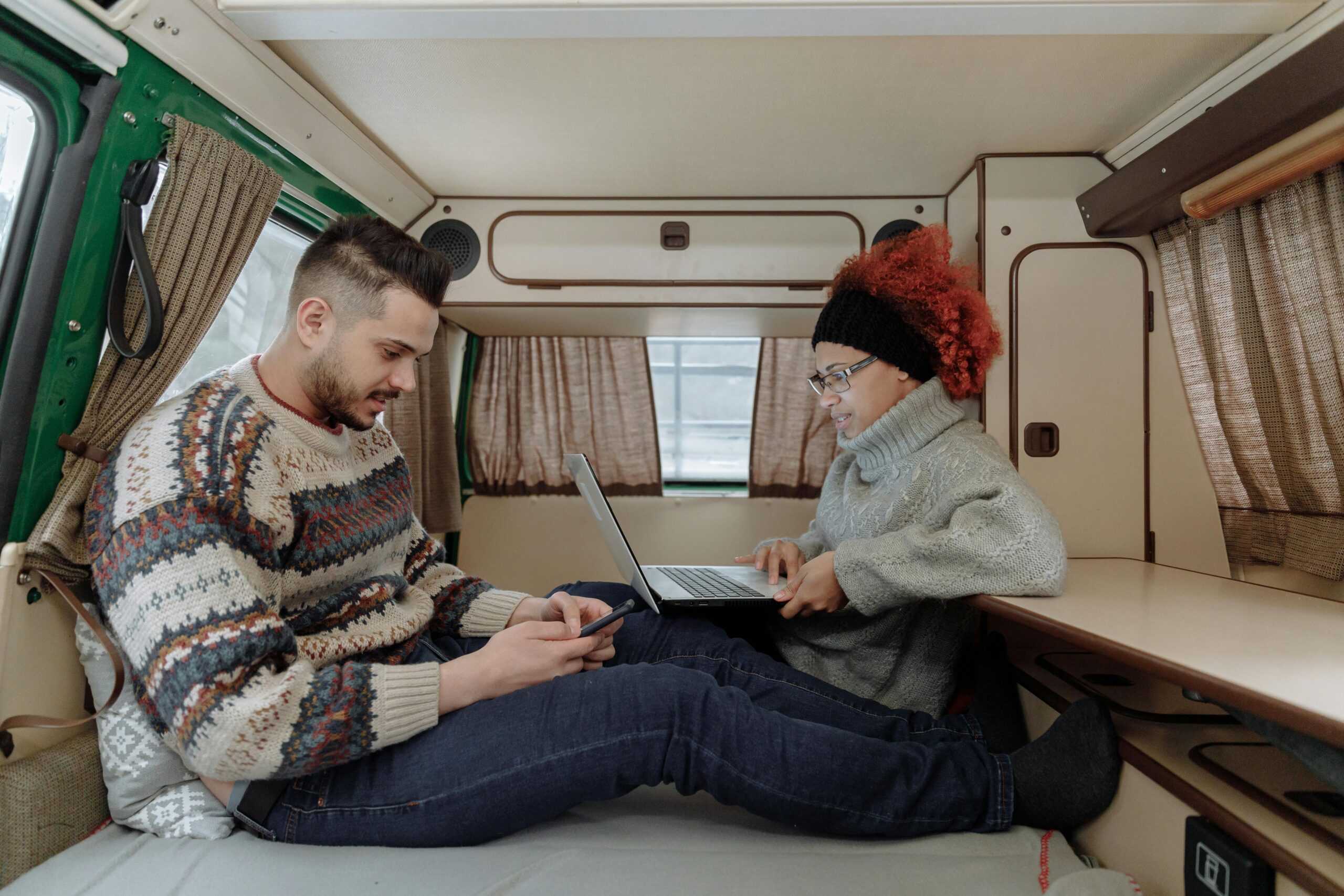
- Create a cozy living space with rugs, cushions, and blankets
- Use lighting and fans to improve indoor comfort
Real-Life Insight
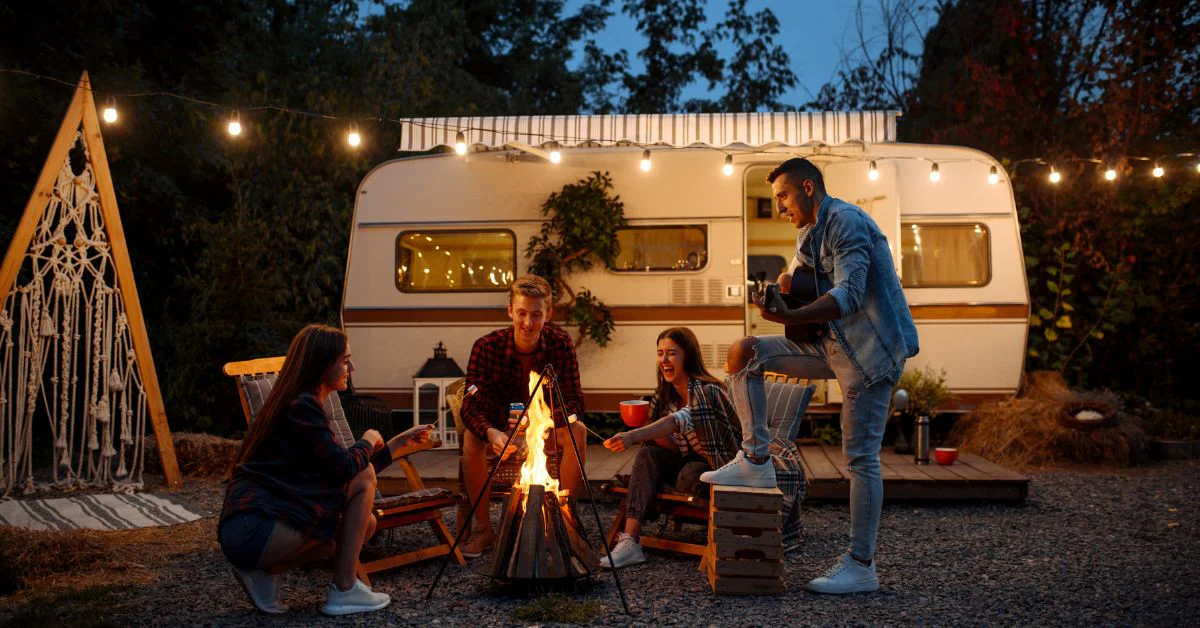
Adding a small hammock and portable camp chairs made evenings at campgrounds relaxing and social, enhancing the overall experience.
9. Handle Emergencies and Repairs
- Keep a roadside assistance plan for RVs
- Carry spare parts like hoses, belts, and fuses
- Know the location of the nearest repair centers along your route
- Learn basic RV troubleshooting skills
Safety Tip
During a flat tire incident, having a backup kit and knowing how to change it allowed us to continue the trip without major delays.
10. Maintain Your RV During the Trip
- Empty grey and black water tanks regularly
- Monitor propane levels and refill as needed
- Check tires, fluids, and battery daily on long trips
- Clean interiors and organize items to prevent clutter
Practical Tip
I keep a small daily checklist during trips to maintain the RV and avoid bigger problems later. It takes only 10 minutes but prevents major headaches.
11. Travel Responsibly With Family and Pets
- Ensure seat belts and safety equipment are available
- Plan pet-friendly accommodations and outdoor breaks
- Teach children or companions basic RV rules
- Keep everyone hydrated, comfortable, and engaged
Real-Life Insight
Bringing travel games and snack stations kept kids entertained, making long drives smoother and more enjoyable.
12. Capture Memories
- Take photos or keep a travel journal
- Document favorite campgrounds, hikes, and experiences
- Share tips and experiences with fellow RVers online
Tip
Recording trips not only preserves memories but also helps plan better future trips using lessons learned.
Final Thoughts
RV camping can be safe, fun, and memorable when approached with preparation, organization, and practical knowledge. By checking your RV systems, planning routes, packing smart, and practicing responsible camping, you can focus on enjoying the journey and creating unforgettable experiences.
Start with these expert tips, adapt them to your travel style, and gradually refine your process. Over time, each trip becomes smoother, safer, and more enjoyable, allowing you to make the most of life on the road.