
Beginning
One of the most important things for any new or experienced traveler to do is choose the right RV size. There are many different sizes of RVs, from small vans to big motorhomes. Each size has its own pros and cons when it comes to comfort, mobility, storage, and travel style. Choosing the wrong size can make it hard to park, drive, or find enough space, or it can cost you more money than you need to. This guide breaks down each type of RV size in simple terms so you can pick the one that works best for your travel needs, lifestyle, and budget.
Little RVs
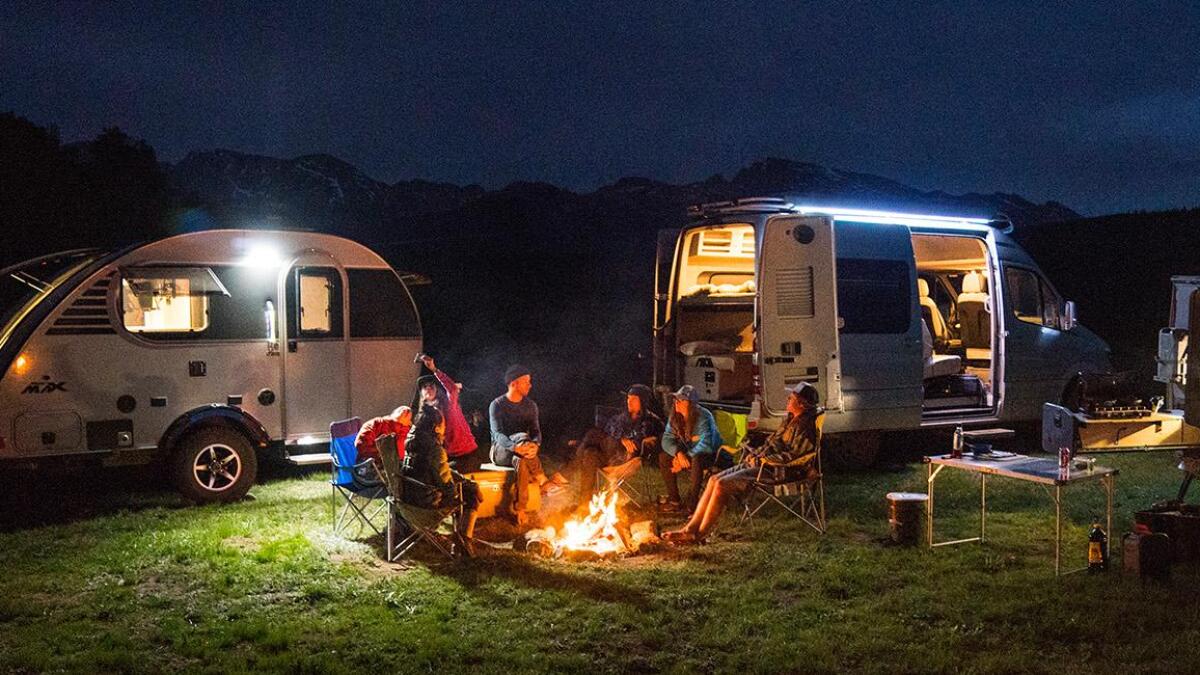
Camper vans, Class B motorhomes, and small travel trailers are all examples of small RVs. These models are great for people who want to be able to move around freely and go anywhere they want. Small RVs are easy to drive, get great gas mileage, and are great for beginners who want to have a stress-free driving experience. Because they are small, travellers can park in regular parking spots, drive on narrow roads, and see places that bigger RVs can’t get to.
Small RVs have basic features like a place to sleep, a small kitchen, and sometimes even a small bathroom, but the inside space is less than that of bigger models. These RVs are best for people who want to travel alone or with a partner and like to keep things simple and open-ended. Because they don’t have much space or storage, they might not be good for big families or living in them for a long time. But for short trips, weekend getaways, or adventure travel, small RVs are often the best and most practical choice.
Medium-sized RVs
Class C motorhomes and mid-size travel trailers are examples of medium-sized RVs that have a good balance of space, comfort, and ease of driving. People like these RVs because they have enough room for families and are easier to drive than bigger ones. A medium RV usually has a separate sleeping area, a working kitchen, a full bathroom, and a comfortable living space. Many Class C models have an extra sleeping area over the cab that gives you more space without making the vehicle too long.
Medium RVs have more storage space than small ones, so they are good for long road trips, family vacations, or long camping trips. They make the RV lifestyle more fun by being more comfortable, having bigger beds, and having bigger appliances. Medium RVs are still easy to drive, but they need more care when parking or going through tight spaces. They also use more gas than smaller RVs, but still less than larger motorhomes.
Medium RVs are often the best choice for travellers who want to be comfortable without giving up too much freedom of movement. They have a good amount of living space and are easy to drive.
Big RVs
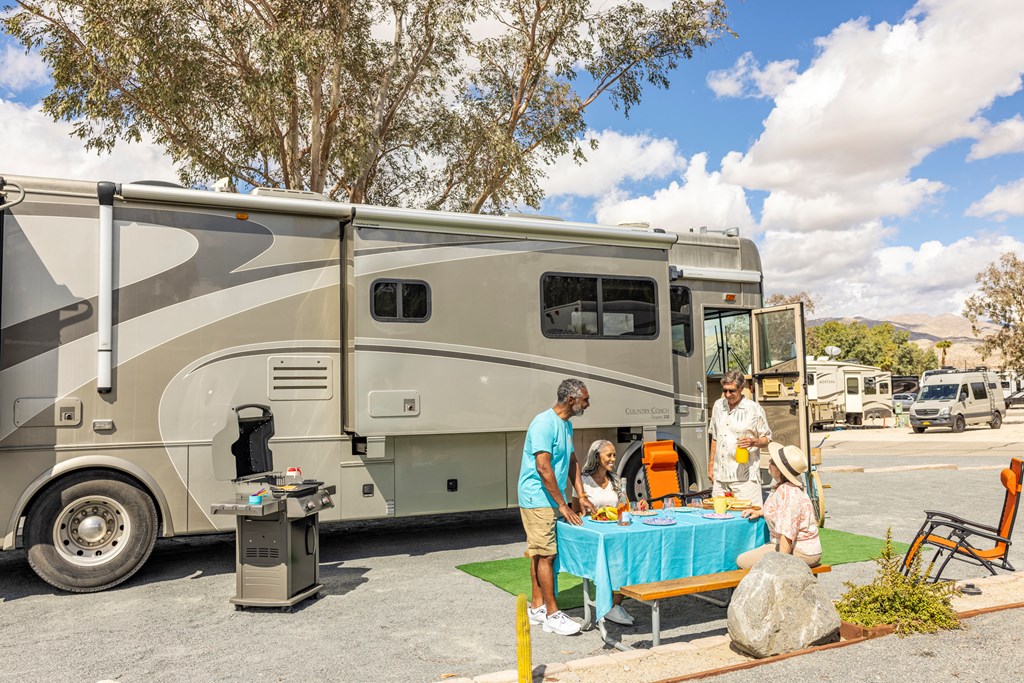
Class A motorhomes, fifth wheels, and big travel trailers are all types of big RVs. These RVs have the most space, luxury, and comfort, which makes them the best choice for living in an RV full-time or travelling for a long time. Big RVs have big living rooms, big bedrooms, big bathrooms, and kitchens that are like those in homes. Many models have slide-outs that make the inside bigger, making the RV feel like a small apartment on wheels.
The best thing about big RVs is how comfortable they are. They are good for big families, retirees, and people who travel and want the best amenities on the road. But driving a big RV takes a lot of skill, especially in tight spaces or on busy highways. They also use more gas, need more upkeep, and need bigger campsites that can fit them. It can be hard to find a place to park, and not all campgrounds let RVs that are longer than usual.
Even with these problems, big RVs are the most comfortable and spacious. A big RV has all the comforts you need for long-term stays, whether you’re going on a long trip or living in an RV full-time.
Learn about the lengths of RVs
The total length is one of the most important things to think about when choosing an RV size. RVs come in sizes from less than 20 feet to more than 45 feet. Each size affects how easy it is to drive, park, and get to a campsite. Short RVs that are less than 20 feet long are very easy to park and move around, but they don’t have a lot of living space. RVs that are between 20 and 30 feet long are a good size for both space and driving. They are long enough to hold all the amenities but short enough to get to most campgrounds.
RVs that are longer than 30 feet have the most luxurious layouts, but they can only be parked in campgrounds that are made for big vehicles. The length also affects how much space you need to store things, how far you can turn, and how well you can tow. Think about where you want to go when you pick the length of your RV. Private campgrounds are usually more flexible than national parks when it comes to length limits. Knowing these differences can help you avoid travel problems.
Picking the Right Size RV for Your Travel Style
Your RV size should fit your lifestyle because different travellers have different needs. A smaller RV is better for adventurers who like to camp off the grid, explore remote areas, or travel a lot. These travellers care about how easy it is to get around, how fuel-efficient their vehicles are, and how convenient they are. But families often need more room to sleep, cook, relax, and store their things, so medium or large RVs are a better choice.
Large RVs are often the best choice for full-time travellers or retirees who want a home-like environment because they are the most comfortable and stable. For weekend trips, medium or small RVs might be better because they don’t need as much time to set up and maintain. The right size depends a lot on how often you travel, what you do every day, and how comfortable you are.
Picking the right RV size based on your budget
Another important thing to think about when picking the right RV size is your budget. Smaller RVs usually cost less up front and are cheaper to run because they use less gas. Medium RVs are more expensive, but they have a good mix of features and price. It costs a lot more to buy and keep up a large RV, especially a Class A motorhome or fifth wheel.
Think about costs other than the purchase price, like maintenance, insurance, fuel, storage fees, and campsite rates. Campgrounds usually charge more for bigger RVs, and repairs are usually more expensive. You can save money by getting a smaller RV, but it might not have enough room for you to travel comfortably. When you choose a size, make sure it fits your long-term travel plans by balancing what you can afford with what you need to be comfortable.
CONCLUSION
Choosing the right size RV is important for having a relaxing and enjoyable trip. Small RVs are great for being easy to move around in and simple to use. Medium RVs are a good mix of space and convenience. Large RVs are the most comfortable and luxurious. The right size for you depends on how you like to travel, what your family needs, where you want to go, and how much money you have. You can pick the right RV for your lifestyle and make sure you have fun on the road by knowing the differences between small, medium, and large RVs.
FAQS
1. What size RV is the easiest for new drivers to handle?
It’s easiest to drive small and medium RVs, and Class B and smaller Class C models are the easiest to drive because they drive like cars.
2. How big of an RV can you park in a national park?
Most national parks only allow RVs that are between 25 and 30 feet long, so medium or smaller RVs are better.
3. Do bigger RVs cost more to keep up?
Yes, bigger RVs need more gas, cost more to keep up, and take up more space at campsites, which all add up to higher costs.
4. What size RV is best for living in full-time?
Class A motorhomes and fifth wheels are two types of large RVs that are best for full-time living because they have the most space and comfort.
5. Is a small RV good for a family?
Small families can use small RVs, but they might feel cramped. For family trips, medium RVs are usually more comfortable.