
Beginning
Travelling long distances in an RV is one of the most fun ways to see the country. It combines the comfort of home with the thrill of the open road. But for people who are new to it, driving a big car hundreds or thousands of miles can be scary. Long-distance RVing takes planning, patience, and practical knowledge. You need to plan your routes, keep track of your fuel, and stay safe on roads you don’t know. When done right, it becomes a fun and stress-free experience that lets you see national parks, scenic highways, and beautiful camping spots at your own pace. This guide is meant to help people who are new to long-distance RV travel learn the basics, feel more confident, and enjoy every mile of the trip.
Getting Your RV Ready for a Long Trip
Your RV needs to be fully checked out and ready to go before you go on a long trip. A dependable RV keeps you safe on the road and stops breakdowns. Beginners should check the tires, brakes, lights and all fluid levels by doing a full walk-around inspection. Check that your battery is fully charged, your propane tanks are full, and your water system is working correctly. Make sure that cabinets, appliances, and loose items are all secure inside the RV so that nothing moves or falls while you’re driving. This preparation lowers risks, cuts down on repair costs, and helps make sure your trip goes smoothly from start to finish.
Making a Realistic Plan for Your Trip
Planning your route carefully is important for long-distance RV travel, especially if you’re new to it. RVs need safe roads, the right height for clearance, and easy access to fuel and rest stops, unlike regular cars. Apps made just for RVs can help you stay away from dangerous roads, tight turns, steep grades, and low bridges. Plan how far you want to drive each day carefully, aiming for manageable hours behind the wheel instead of long, tiring stretches. A lot of experienced RV travellers follow the simple rule of not driving late into the night and giving themselves extra time for delays that come up. If you plan your route well, you can enjoy the trip without feeling rushed or stressed.
Driving a motorhome Long-Distance Safety
Driving an RV for a long time is not the same as driving a car. RVs are heavier, taller, and take longer to stop, so it’s important for beginners to learn how to drive safely. Keep a wider space between you and the car in front of you at all times, and don’t change lanes suddenly. When you turn, especially in tight spaces, take your time. When it’s windy, steering can be hard, so slow down when you need to. It’s important to stay alert, and taking breaks every two or three hours can help you stay awake. If you start to feel tired or stressed, stop and rest in a safe place. The more you drive, the more confident you become, and the more you practise, the easier it is to travel long distances.
How to Handle Gas and Make a Budget for Long Trips
Long-distance RV travel uses a lot of gas, so beginners need to plan their gas stops carefully. RVs use more gas than regular cars, especially when going up hills or driving fast. Plan your fuel stops ahead of time so you don’t run out, especially in remote areas where there aren’t many stations. Driving at a moderate speed is one of the habits that can help you save money on petrol. Planning your petrol budget ahead of time helps you avoid money problems and makes your trip go more smoothly without adding extra stress.
How to Stay Healthy and Comfortable While Travelling
Comfort is very important when travelling long distances in an RV. Beginners should put comfort and health first because being on the road for hours can be tiring. It’s important to take breaks every so often to stretch, drink water, and rest your eyes. Don’t drive for too long in one day, and make sure you get enough sleep every night. Organise the inside of your RV so that you can find what you need quickly. While you’re on the road, make sure you can get to snacks, water, and other important things. Drink enough water, sit up straight, and take breaks to keep your energy up and your focus sharp.
Taking care of campsites and overnight stops
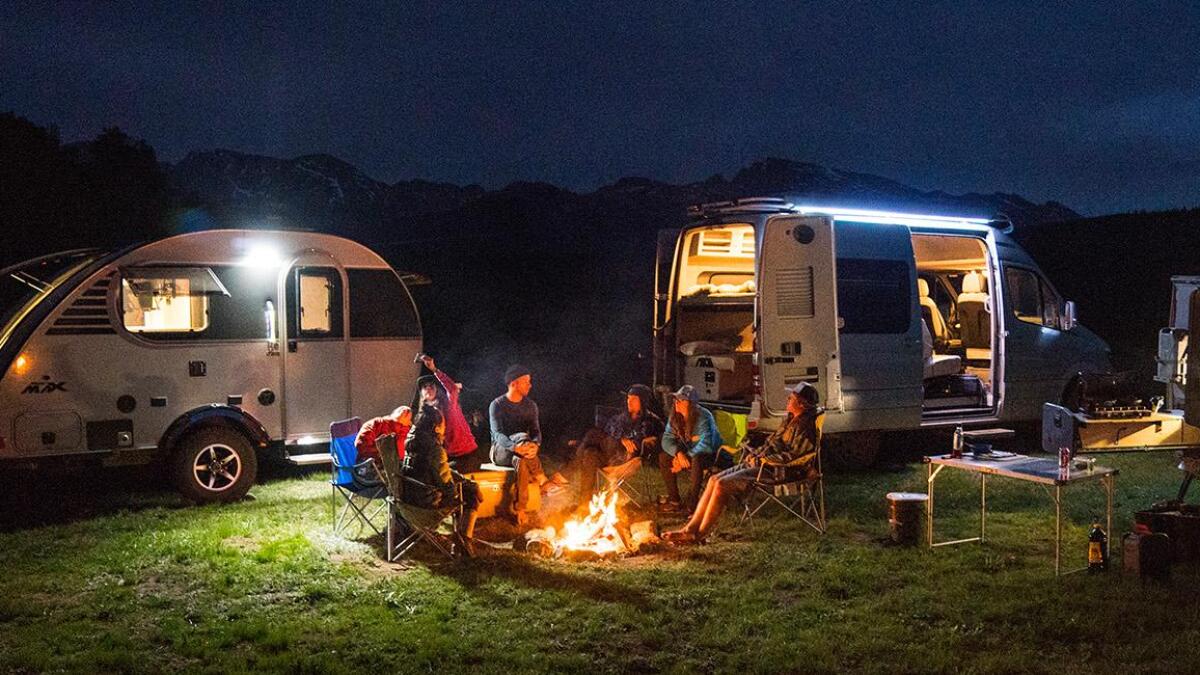
Beginners need to know how to find good places to stay when they go on long trips. If you look up campgrounds ahead of time, you’ll always have a safe and comfortable place to park overnight. Pick places that have good reviews, easy-to-find entrances, and basic services like water and electricity. It’s always best to get to your destination before sunset, especially if you’re new to RVing. Getting there early gives you time to safely set up your RV, level it, and get to know your surroundings. Planning ahead for overnight stays makes your long-distance trip more comfortable, safe, and easy.
Keeping an eye on your RV’s systems while you travel
You need to pay attention to your RV’s internal systems all the time on long trips. While you’re on the road, keep an eye on the levels in your tank, the power of your battery, the amount of propane you’re using, and the pressure in your tires. If you’re going to places where it’s hard to get to a dump station, make sure to empty your holding tanks before they get too full. Learn how to switch between using shore power, generator power, and battery power based on where you are parked. People who are new to these systems often don’t pay attention to them, but knowing how they work is important for long-distance travel and can help you avoid problems on the road.
How to Handle Weather and Road Conditions
When you travel long distances across several states, the weather can change quickly. Every day, beginners should check the weather forecast and stay off the road when it’s dangerous, like when it’s snowing, raining or windy. When it’s stormy, slow down and keep both hands on the wheel to stay in control. If the weather gets bad, pull over and wait somewhere safe. It’s better to be patient and careful than to put yourself in danger. Bad weather happens when you travel long distances, but if you are aware and flexible, you can deal with it.
In conclusion
For beginners, travelling long distances in an RV can be one of the best things they can do. If you plan ahead, stay safe, and keep up with regular maintenance, your trip will be smooth, fun, and stress-free. To be successful, you need to learn how to drive safely, keep an eye on your RV’s systems, stay comfortable, and plan your route carefully. Long-distance RVing becomes second nature over time, so you can focus on the adventure and the fun of seeing new places. These tips will help you make memories that will last a lifetime, whether you’re going across the state or the country.
Questions and Answers
1.How many hours a day should beginners drive when they’re travelling long distances in an RV?
To avoid getting tired and enjoy the trip safely, beginners should try to drive for shorter periods of time, like four to six hours.
2.What is the most important thing to do to get ready for a long RV trip?
To avoid breakdowns and make sure your trip is safe, you need to check the tires, brakes, fluids, lights, and battery health.
3.Is it hard to drive an RV on long trips?
At first, it can be hard, but with practice, patience, and safe driving habits, beginners get used to it and feel sure of themselves.
4.What can I do to save gas on a long RV trip?
Driving at a steady pace, avoiding sudden acceleration, keeping the right tyre pressure, and planning fuel stops can all help you save money on gas.
5.Why is it important for beginners to plan their routes?
Planning your route ahead of time can help you avoid low bridges, narrow roads, and dangerous areas. It also makes it easier to find gas stations and campgrounds.