



Beginning
It can be hard to deal with RV plumbing problems, especially for new RV owners, but most of them are surprisingly easy to fix once you know how the system works. An RV plumbing system is small, portable, and made of light materials, so it needs to be carefully watched to avoid leaks, clogs, and pressure problems. A small plumbing problem can quickly ruin your trip, damage your floors or cabinets, or make it harder for you to get clean water. Knowing how to spot, fix, and avoid common plumbing problems will give you peace of mind on the road and help you avoid costly repairs. RV plumbing maintenance is not only easier than many owners think, but it is also necessary for safe and comfortable travel.
How the RV Plumbing System Works
When you know the three main parts of an RV plumbing system—the freshwater system, the grey water system, and the black water system—fixing plumbing problems is a lot easier. The freshwater system gives sinks, showers, and toilets clean water. The grey water system collects water that has already been used in sinks and showers, and the black tank holds waste from the toilet. Because the RV is always moving, fittings can come loose, pipes can shake out of place, and seals can wear out faster than they would in a regular home. The first step to making repairs easier is to know how these systems work together and where the valves, pipes, and pumps are.
How to Fix Leaks in RV Pipes and Fittings
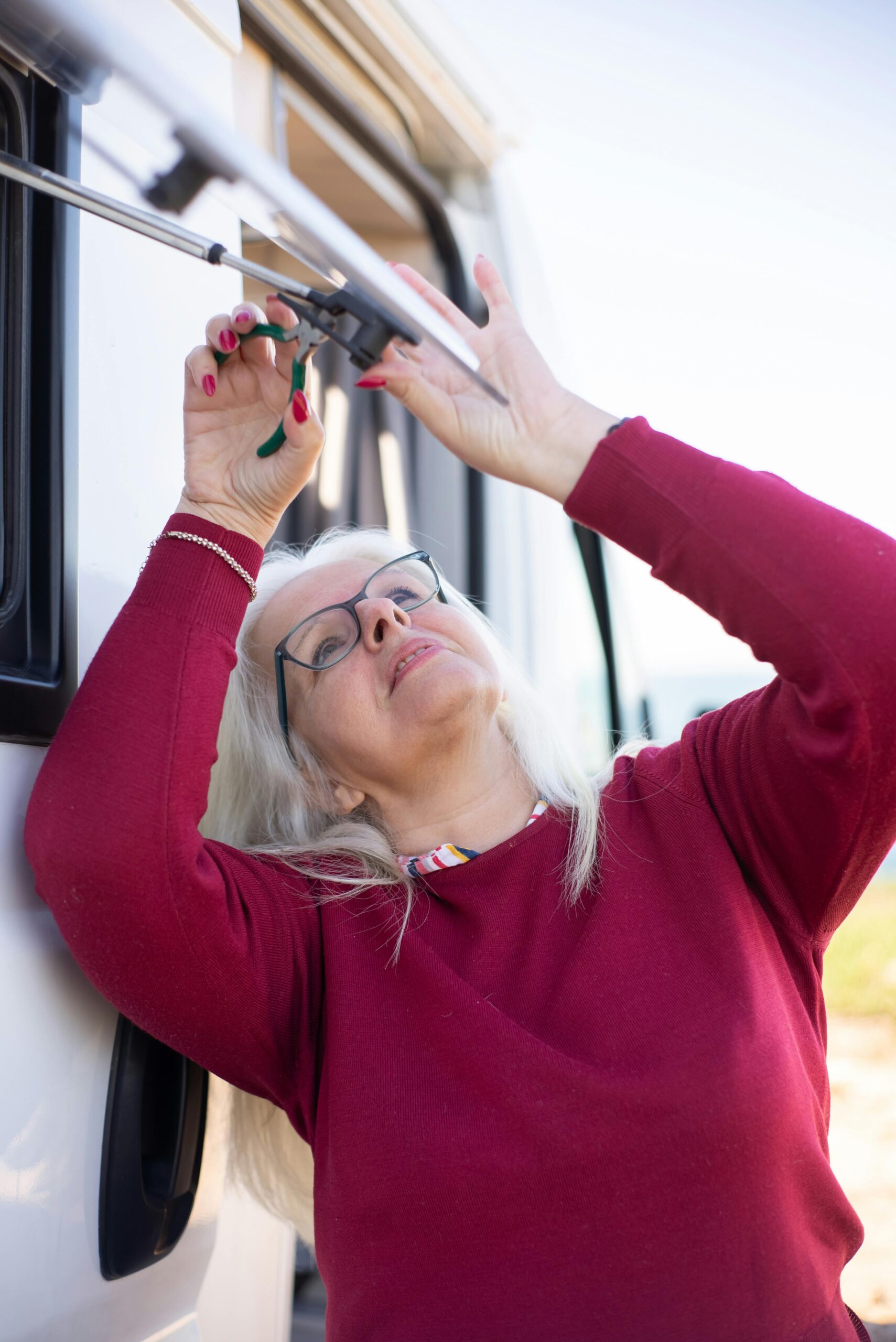
Leaks are the most common plumbing problem in RVs. Even though they may look bad, they are usually very easy to fix. Most RV plumbing uses PEX pipes, which are flexible, long-lasting, and easy to replace. If you see wet spots under a sink, around a toilet or near the water heater, it’s usually because a fitting is loose or a seal is worn out. The problem usually goes away right away when you tighten connections with a wrench or replace a fitting. If a section of pipe breaks, you can cut out the broken part and put in a new piece of PEX tubing. Keeping an eye out for early signs of leaks stops water damage and makes repairs quick and cheap.
How to Fix Low Water Pressure Issues
Another common RV plumbing problem is low water pressure, which can make everyday tasks like showering and washing dishes more difficult. A dirty freshwater filter, a weak water pump, or sediment building up in the lines can all cause this problem. Cleaning the aerator on your shower and washbasin is often all it takes to get the pressure back to normal. If the water pump isn’t working, checking the filter screen or getting a new pump might fix the problem. The problem might not be with the RV at all; it could be with the campground’s water supply, which might have low pressure for no reason. In these situations, a pressure regulator helps keep the water flow steady and safe.
Fixing toilets and drains that are clogged
Because RV plumbing is smaller and more sensitive than home plumbing, it is common for drains and toilets to get clogged. Grease can clog kitchen sinks, and hair and soap residue can build up in bathroom sinks. You can get rid of buildup without hurting the pipes by using RV-safe drain cleaners or flushing the line with hot water. Flushing things that shouldn’t go down the toilet is what usually causes clogs. Most blockages can be avoided by using a lot of water with each flush and only RV-safe toilet paper. A soft RV plunger or a gentle enzyme treatment will fix a clogged toilet without damaging seals or valves.
How to Fix Problems with Your RV Water Pump
The water pump is the most important part of your plumbing system, and if it breaks, it can affect your whole RV. A leak or a broken pressure switch is usually what makes the pump run all the time. Usually, the problem goes away when you check all the connections and tighten any loose fittings. A blown fuse, a loose wire, or a broken switch could be the reason why the pump won’t run at all. It’s easy to replace an RV water pump because most models are made to be easy to install. Cleaning the pump filter on a regular basis also helps it last longer and stops problems from happening in the future.
Keeping tank smells and sensor problems at bay
Tank smells are bad, but if you take care of your black and grey tanks, they’re easy to deal with. Treatments that use enzymes help break down waste and get rid of smells. When you flush the tanks well and make sure the roof vent isn’t blocked, smells can get out of the RV instead of getting in. Another common problem is dirty sensors, which can give you wrong readings of how full your tank is. Using special cleaning products or flushing the tanks with warm water can help get the readings back to normal and make your plumbing system work better overall.
Final thoughts
Many RV owners think that fixing plumbing problems is harder than it really is. You can quickly and confidently fix most problems by knowing how the system works, doing simple inspections, taking care of early warning signs, and using RV-safe products. Regular maintenance keeps your RV from leaking, getting clogged, smelling bad, and having pump problems. This makes your trips smoother, safer, and more fun. You can keep your plumbing system in great shape and avoid expensive professional repairs if you know a little bit about it and pay attention to the details.
Questions and Answers
1. What is the simplest plumbing problem to fix in an RV?
Loose fittings and small leaks are the easiest problems to fix; just tightening the connections usually does the trick.
2. Why is the water pressure in my RV low?
Most of the time, low pressure is caused by dirty pump filters, clogged aerators, sediment in the lines, or weak water flow at the campground.
3. How can I keep my RV toilet from getting clogged?
Most toilet blockages can be avoided by using a lot of water with each flush and only RV-safe toilet paper.
4. Why does my water pump keep running all the time?
If your pump is always running, it could mean that there is a small leak in the system or that the pressure switch is broken.
5. Why do RV tanks smell bad?
Odours usually come from waste building up, not enough air flow in the tank, or not cleaning and treating the tank often enough.
6. How often should I look at the plumbing in my RV?
Checking your plumbing once a month and before long trips can help keep things running smoothly and avoid problems.