Start
One of the most exciting and cost-effective ways to enjoy RV life is to go RV boondocking, which is also known as dry camping. Boondocking is different from regular camping because you stay in remote areas without access to electricity, water, or sewer. With this kind of camping, people can fully explore national forests, deserts, beaches, and other public lands. First-time boondockers need to plan ahead, use their resources wisely, and know how to stay safe so they don’t run into problems. Planning, balance, and smart use of your RV’s systems are all important for a successful boondocking trip.
Getting to Know What Boondocking Really Means
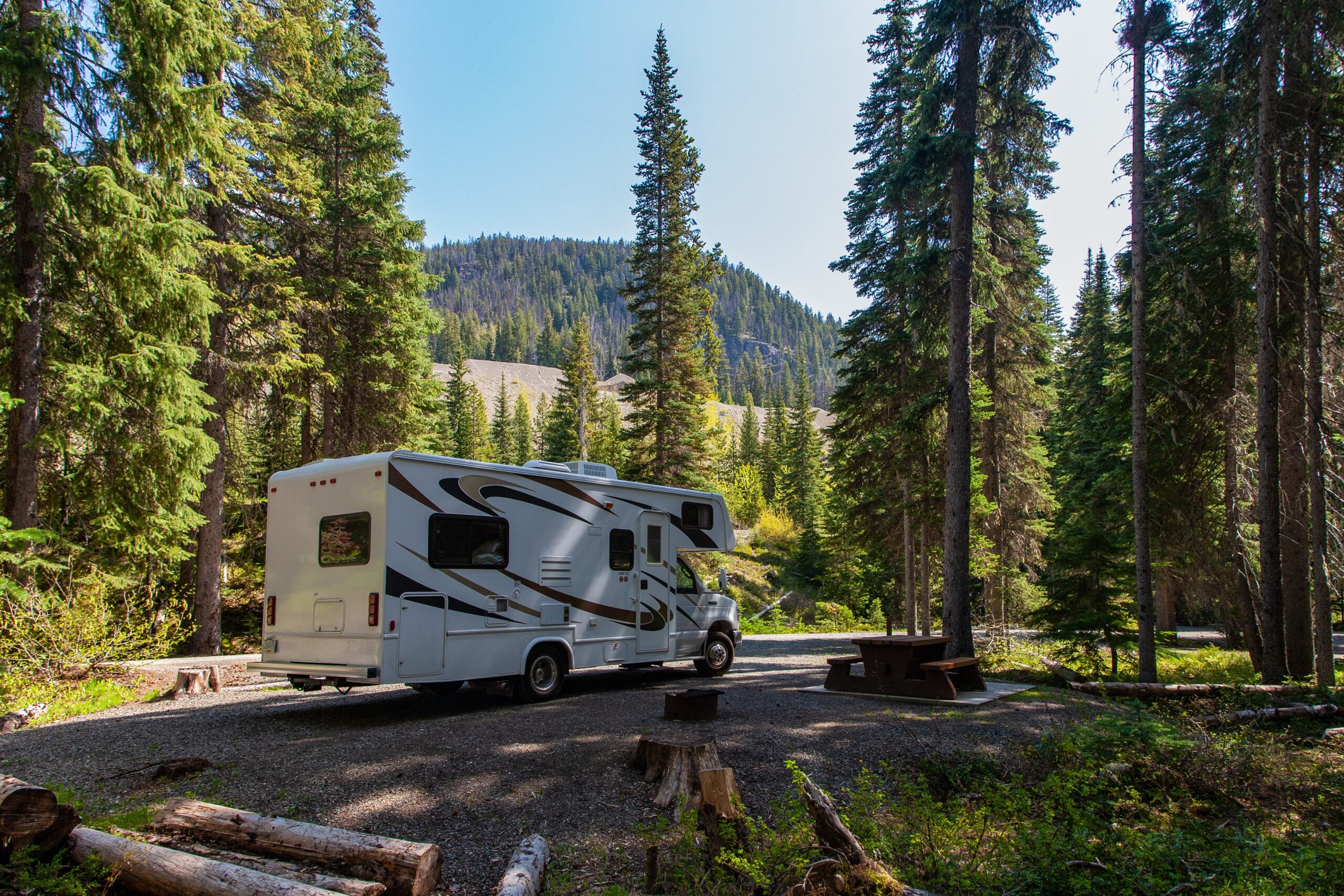
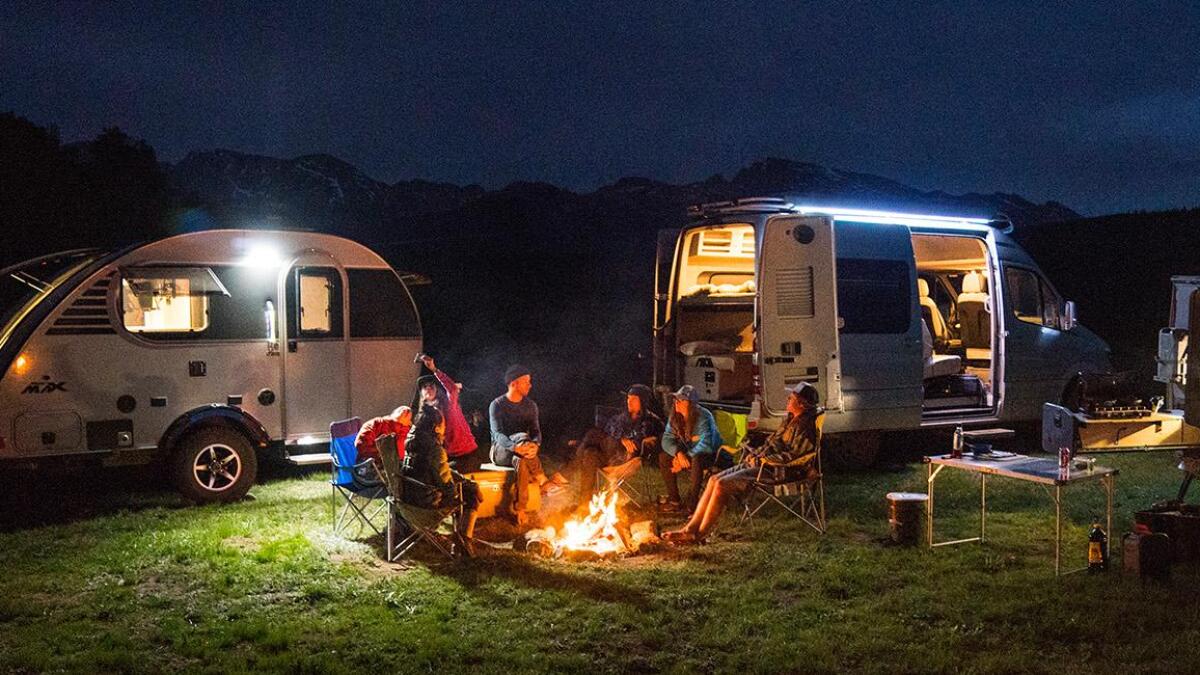
Being able to take care of yourself is the most important part of boondocking. Travellers depend only on their RV setup and don’t need anything else. You also need to always be aware of your water supply, battery levels, waste tanks, and how much power you’re using. Boondocking spots can be found on free public land or in national forests that are not too far away from each other. Some travellers like beautiful mountain views, while others like quiet desert areas where they can spend days without electricity. Boondocking is different because it gives you a sense of freedom, peace, and connection with nature that regular campgrounds don’t always have.
How to Get Your RV Ready for Living Off the Grid
The most important thing that will affect how much fun you have while boondocking is how well you plan ahead. Before you leave, you should check your RV all the way through. You need to fill up the water tanks, charge the batteries, top off the propane tanks, and store food and other important supplies. Check your tires, brakes and generator too, so you don’t break down in a remote area. A lot of new travellers don’t realise how quickly water, electricity, and propane can run out, so it’s important to plan ahead. Boondocking is a chance to find out how long your supplies will last and how to use them well without help from anyone else.
How to Properly Handle Power and Battery Life
To boondock successfully, you need to be able to manage your power well. You have to rely on your RV batteries, generator, or solar panels because there are no electrical hookups. The condition of your deep-cycle batteries is important because they affect how long your lights and appliances can run. Solar panels are highly recommended because they silently charge your batteries all day long without using any fuel. Generators can be useful, but you should use them wisely and be aware of noise limits and how much fuel they use. Choosing LED lights, turning off heavy appliances when you don’t need them, and cutting back on unnecessary electricity use can all help your battery last much longer.
Ways to Save Water for Longer Stays
When you’re boondocking, water is the most limited resource. You have to leave the site to fill up your fresh water tank when it runs out. This is why saving water is so important if you want to stay off-grid for a long time. You can stay a lot longer if you do simple things like take quick showers, turn off the tap while you wash dishes, use biodegradable wipes and bring extra water jugs. Many experienced boondockers fill up their tanks with portable water containers so they don’t have to drive their RV back to town. Knowing how much water your family uses each day can help you plan your next boondocking trip better.
How to manage your waste tank for safe and clean camping
To boondock safely and cleanly, you need to take care of your waste tank properly. Travellers must keep a close eye on both their grey and black tanks since there are no sewer hookups. Putting too much in tanks can make them smell bad and be bad for your health. To keep grey tank levels low and avoid problems, use water wisely when you shower and wash dishes. You should also try to use the toilet as little as possible. Always empty your tanks before you leave for a trip, and think about using tank treatments to keep smells under control. Plan to stop at a dump station before going to your next boondocking spot when your tanks are almost full.
Safety Tips for Camping in Remote Areas
When boondocking in remote areas, safety should always come first. Campsites are often far away from police stations, rangers, and other campers, so it’s important to be ready. Tell a family member where you are, bring basic tools, and make sure your RV locks work. It’s important to check the weather forecast and stay away from areas that are likely to flood or have strong winds. Animals also like to visit forests and deserts, so make sure to store food properly so that animals don’t come to get it. Boondocking is much safer and less stressful with a first aid kit, torch, spare tyre and emergency communication device.
Picking the Best Places to Boondock
Not all remote places are good for boondocking. You have to choose places that are legally allowed for dispersed camping. Many people choose Bureau of Land Management (BLM) lands, national forests, and certain wilderness areas. A lot of people who travel use apps and websites that show them safe, legal places to camp for free. Always check to see if the roads are open, since some places may only be accessible by vehicles with high clearance. When you get there, look for a flat, stable place to park your RV. Also, keep the area clean and follow the Leave No Trace rules to protect nature for future travellers.
In conclusion
Boondocking is a fun way to live in an RV that gives you freedom, quiet surroundings, and a special connection to nature. You can have fun and stress-free off-grid adventures if you plan ahead, manage your resources wisely, and know how to stay safe. Every time you go boondocking, you learn something new about your RV and how you like to camp. Boondocking can be one of the best parts of RV travel, whether you want to spend peaceful nights under the stars or a long time in the middle of nowhere.
Questions and Answers
1. How long can I stay in one place while boondocking?
Most RVers can boondock for three to ten days, depending on how much water, power, and waste they have. Some travellers who have solar panels and big tanks can stay for a lot longer.
2. Do I need solar panels to camp in the woods?
You don’t have to have solar panels, but they are very useful. They keep your batteries charged without using petrol, so you can stay in remote areas longer.
3. Is it safe for families to boondock?
Yes, boondocking can be safe if you pick legal spots, keep an eye out for wildlife, and follow basic safety rules like locking up the RV and checking the weather.
4. Can any kind of RV be used for boondocking?
Most RVs can boondock, but if you want to stay off the grid for a long time, you should get one with bigger tanks, stronger batteries, and solar panels.
5. Where can I find places to boondock for free?
You can find free camping spots on public land, like BLM areas, national forests, and apps that list legal dispersed camping spots.