Beginning
Planning the perfect RV road trip is a fun way to mix freedom, adventure, and comfort. Planning ahead makes sure that your trip to national parks, beautiful highways, or small towns goes smoothly, is fun, and is free of stress. You can take your home with you wherever you go in an RV, but that means you need to get your vehicle ready, plan your route, know how to make campground reservations, and pack smart. Planning your RV trip well will save you time, make things go more smoothly, and let you relax and enjoy the ride. Every step, from picking where to go to getting your RV ready for the road, helps make a trip that everyone in the family will remember.
Picking the Right Place
The first thing you need to do to plan the perfect RV road trip is to choose a destination. Some people like to go to national parks for the views and the adventure, while others like to go to beaches, lakes, or historical sites. The place you want to go should fit with your interests, how you like to travel, and the time of year. When travelling through mountains or deserts, the weather can change the route and timing. Think about how far you have to go and how much time you want to spend driving each day when you pick a place to go. The best trips have a good mix of driving time and fun stops along the way, so the journey is just as rewarding as the destination.
Making plans for your trip and route
After you choose where you want to go, the next step is to plan your route. Taking scenic roads, safe highways, and routes that are easy to get to gas stations and rest areas makes RV travel more fun. Many people who travel by RV like routes that go through national forests, small towns, scenic overlooks, and historical sites. Making a travel schedule ahead of time can help you avoid rushing, which can make the trip feel stressful. With a flexible schedule, you can rest, explore, and find new things when you least expect them. GPS systems or map apps that work with RVs can help you stay away from low bridges, narrow roads, and rough ground. A good route plan makes driving easier, safer, and gives you lots of chances for adventure.
Picking the Best Campgrounds
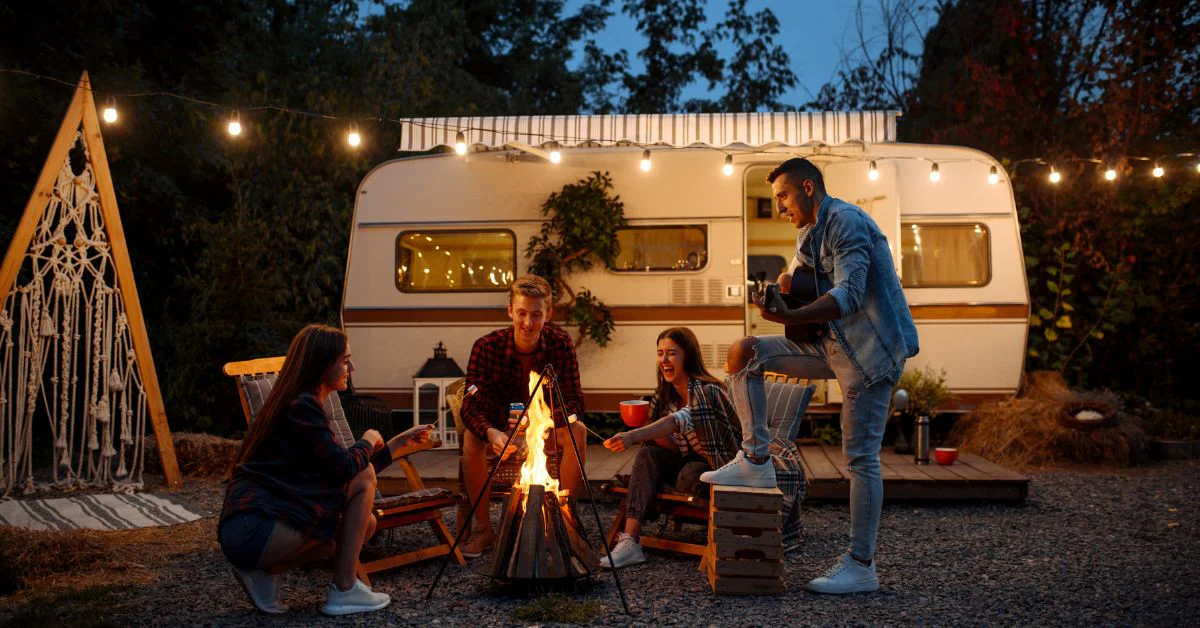
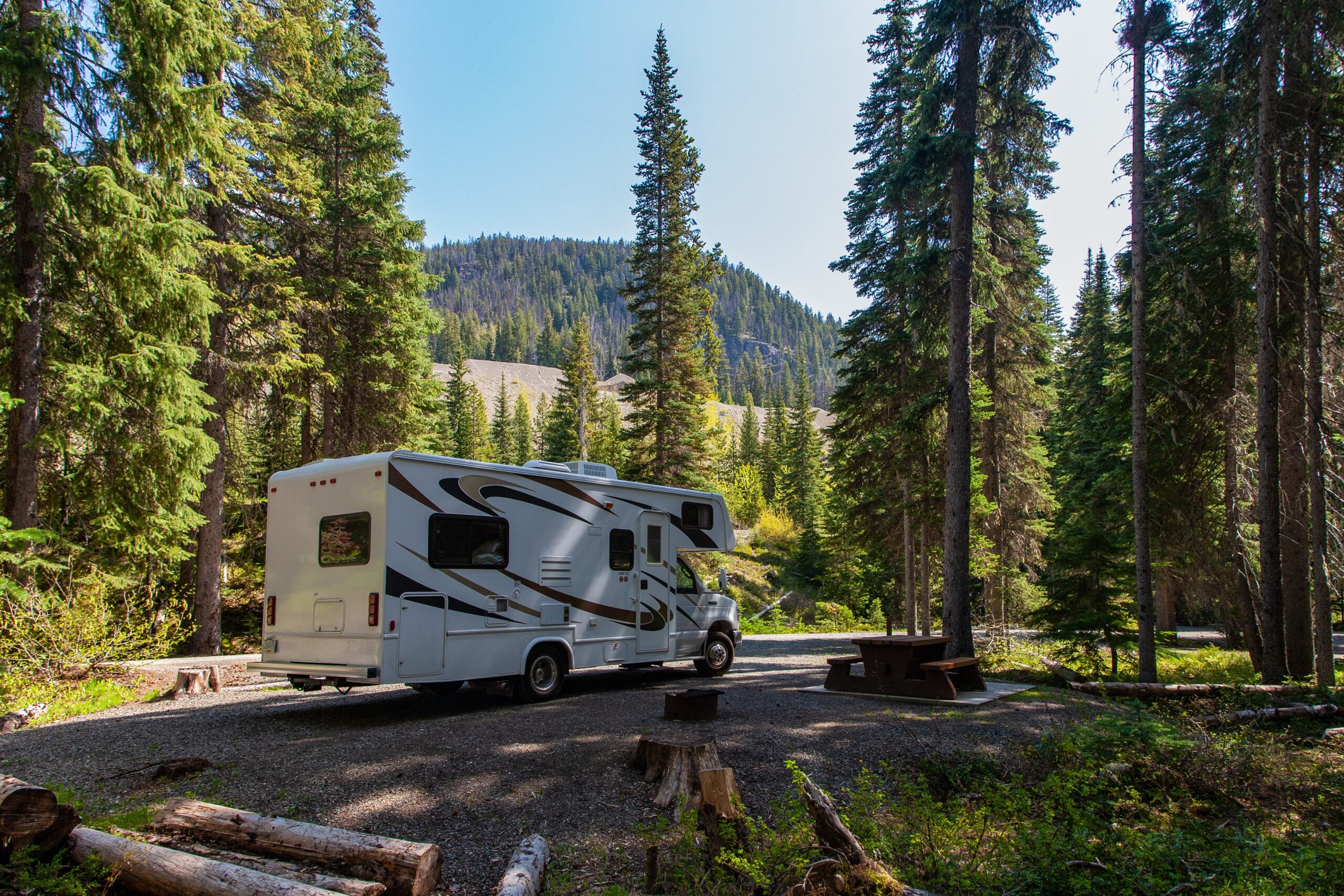
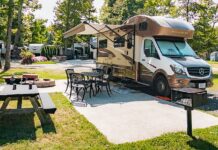
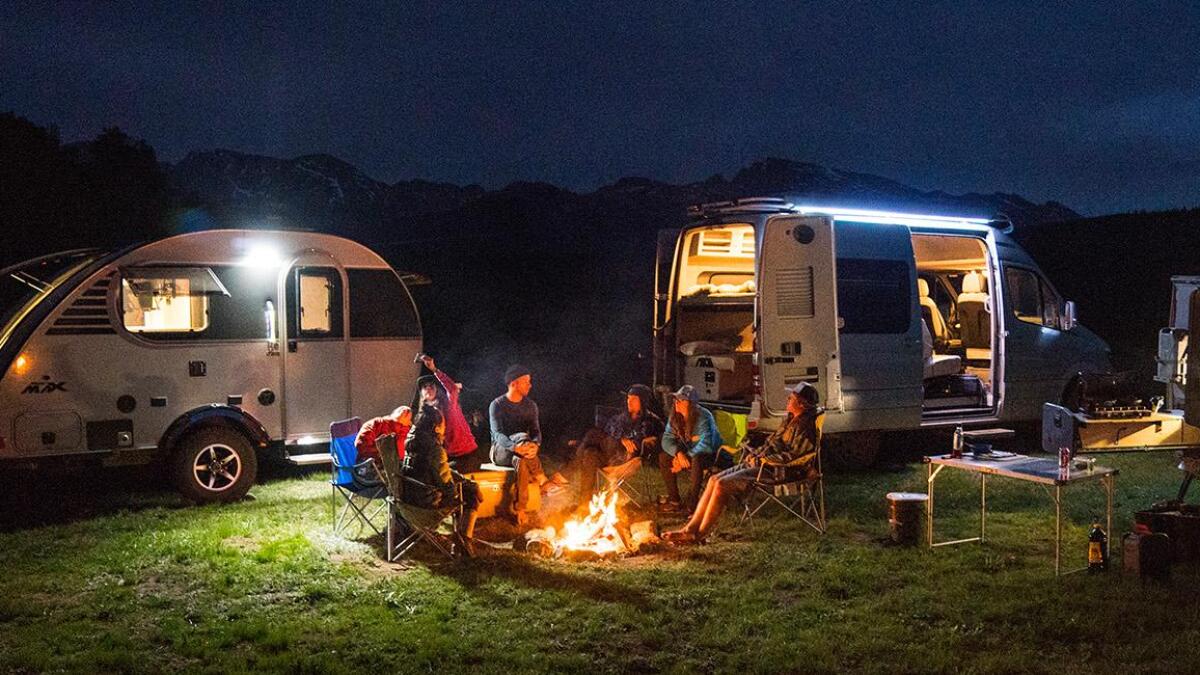
Campgrounds are very important for making your RV trip comfortable. Choosing the right place to stay can make a big difference in your overall experience, whether you like full-hookup RV resorts or quiet boondocking spots. When choosing a campground, think about the things you need, like power, water, sewage, Wi-Fi, or laundry facilities. Families like campgrounds that have fun things to do, playgrounds, and big RV sites. Campgrounds in national and state parks have beautiful views, but they may fill up quickly, so it’s best to make reservations early. Reading campground reviews can help you find safe, clean, and well-kept places to stay. Picking the right campground makes your trip more fun and relaxing.
Getting Your RV Ready for the Trip
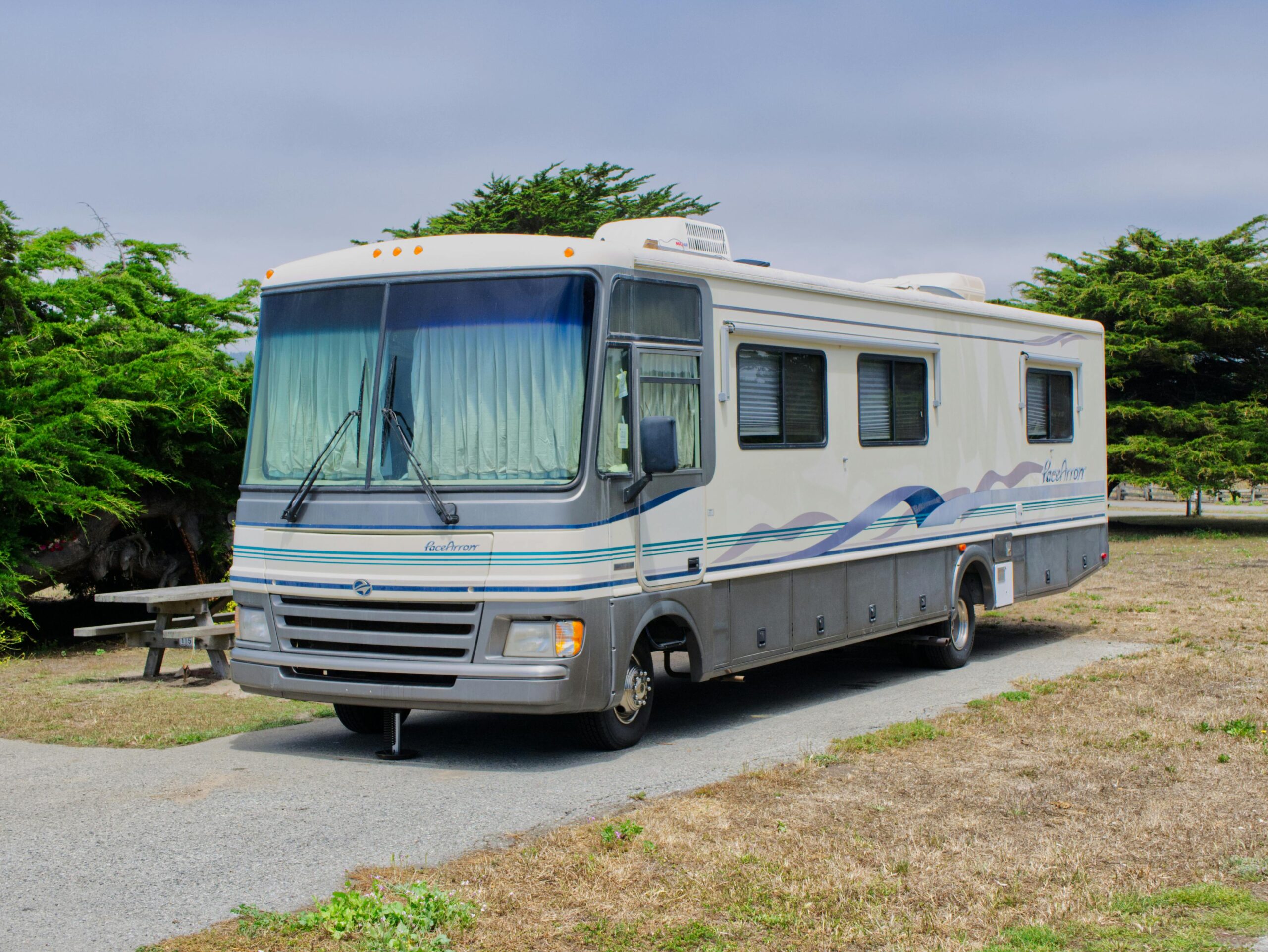
Make sure your RV is ready for the trip before you hit the road. A thorough checkup can help keep mechanical problems, breakdowns, and delays from happening. This means checking the water systems, batteries, lights, tires, brakes, and engine fluids. Making sure that your propane tanks, appliances, and electrical systems are all working well will make your trip safer and more comfortable. Cleaning the inside, putting things in order, and securing loose items can help keep things from getting messy and damaged while travelling. You can relax and feel good about your RV when you know it’s ready for long trips and living outside.
Things to pack for comfort and safety
Packing is a big part of getting ready for an RV trip, and bringing the right things will keep you safe and comfortable on the road. Your packing list should have clothes for different types of weather, cooking supplies, bedding, tools for emergencies, first-aid supplies, and things to do when you’re not busy. Families often bring games, books, and things to do outside to make camping more fun. Packing light and efficiently helps keep the RV organised and makes the trip less stressful. Many people who travel also bring spare parts, extra hoses, adapters, and toolkits in case they need to fix something small. Packing correctly makes sure you have everything you need to enjoy the trip and deal with any problems that come up.
Taking care of your fuel, budget, and daily plans
Planning for fuel and money is important for long trips in an RV. RVs use more fuel than regular cars, so it’s helpful to know where gas stations are so you don’t run out of gas in remote areas. When you make a travel budget, you can keep track of costs like food, fuel, campground fees, and attractions. Planning your day ahead of time makes sure you get the most out of each stop by balancing driving time, activities, and rest. A well-planned budget and daily schedule make for a smooth, fun trip with no unexpected costs or rushed activities.
In conclusion
To have a great RV road trip, you need to plan and get ready ahead of time. You can set yourself up for a great trip by picking the right place to go, planning a safe route, choosing comfortable campgrounds, getting your RV ready, and packing smartly. Travelling in an RV gives you freedom and the excitement of finding new places at your own pace. If you plan ahead, you can avoid stress and have fun on every part of the trip. A well-planned trip lets you enjoy the open road, America’s natural beauty, and the comfort of travelling in your own home on wheels, whether you’re with family, friends, or alone. If you do things the right way, your RV road trip can be one of the best things that ever happened to you.
Questions and Answers
1. How far should I drive every day on an RV trip?
Most people who travel prefer to drive for three to five hours a day so they don’t get tired and can stop to see sights along the way.
2. When is the best time to book RV campgrounds?
During busy times, like near popular national parks, you should book campgrounds weeks or even months in advance.
3. How do you best get around in an RV?
To avoid low bridges, narrow roads, and rough terrain that may not be safe for large vehicles, use a GPS or mapping app that is safe for RVs.
4. Do I have to check my RV before every trip?
Yes, a pre-trip check makes sure that the tires, brakes, fluids and other important systems are all working properly. This stops breakdowns while you’re on the road.
5. How much money should I set aside for a road trip in an RV?
Your budget will depend on how much you spend on gas, camping fees, food, and activities, but planning ahead will help you keep costs down.
6. What important things should I bring to make the trip comfortable?
Bringing clothes, food, tools, first-aid supplies, bedding, and entertainment will make the trip more comfortable and safe.