
Beginning
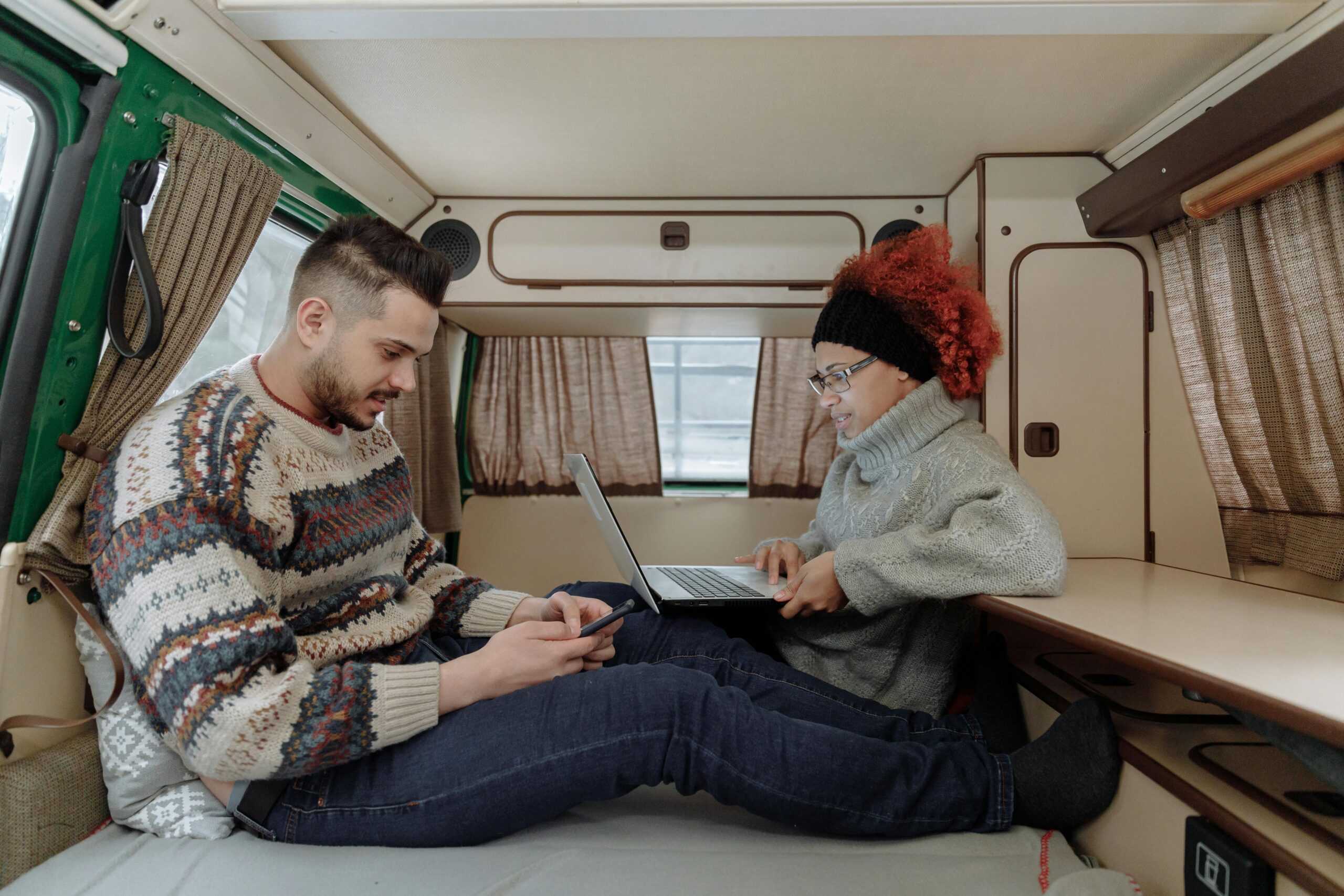
For modern travellers, staying connected to WiFi while travelling in an RV is a must. Having reliable internet access is no longer a luxury. You need it to work from home, stream movies and TV shows, find your way around new places, and stay in touch with family. RVers have trouble connecting to the internet because they move around a lot and the network coverage changes. This article tells you how to keep a fast, stable, and reliable internet connection while you’re on the road. You will learn everything you need to know to stay online during your RV trips, from knowing what types of connections are available to picking the right equipment and fixing common problems.
Getting to know the problems with RV WiFi
Using the internet in an RV is not the same as using broadband at home. You might be driving through places where cell signals are weak, parking in campgrounds with slow shared WiFi, or using equipment that isn’t made for mobile use. It usually doesn’t work to rely on just one method because different areas have different coverage strengths. To get reliable internet, RVers need to use more than one connection source, such as campground WiFi, mobile hotspots, signal boosters, and satellite internet. The weather, how far away you are from cell towers, and things like mountains or forests can also affect how well your connection works. Knowing about these problems will help you set up your connectivity better for all types of travel.
How to Use Campground WiFi Well
Many RV parks and campgrounds have WiFi that is free or costs money, but these networks are often slow because a lot of people are using the same bandwidth. During busy times, you might have to deal with buffering, slow loading times, or constant disconnections. To get better performance, try to park as close to the WiFi source as you can. The farther away you are, the slower the connection will be. A WiFi extender can help you get weak signals and make them stronger inside your RV. You should think of campground WiFi as a bonus and not your main internet source, especially if you work online or need to be connected all the time.
Cellular Data and Mobile Hotspots
Using a mobile hotspot or a smartphone that can connect to a hotspot is the best way to stay connected while travelling. Cellular networks cover a lot of ground in the US, especially with big companies like Verizon, AT&T, and T-Mobile. Mobile hotspots turn cellular data into a private WiFi network in your RV, so you can connect your laptops, tablets, and smart devices without any problems. Choose a plan with no limits or a lot of data for the best results, since streaming and video calls use a lot of data. Hotspots are great for places where campground WiFi doesn’t work, like in the middle of nowhere. They are portable, safe, and much faster than networks that are shared.
How to Get Stronger Signals with a Cellular Booster
Cellular boosters make weak signals stronger and help your phone or hotspot work better in areas with poor coverage. They work by picking up a weak signal from outside and boosting it inside your RV, which usually makes calls clearer, speeds up the internet, and improves overall performance. Boosters are very useful in places where coverage is usually spotty, like mountains, deserts, forests, or rural areas. They can’t make a signal where there isn’t one, but they can fix a signal that isn’t working. Boosters are a great investment for RVers who travel full-time and often go off-grid or on remote highways.
Satellite Internet for Areas Far Away
Satellite internet is a popular choice for RVers who travel far from areas where cell phones work. Starlink and other similar services provide fast satellite connections almost anywhere there is an open sky. Satellite internet is great for places where cellular service is weak or doesn’t work at all. It needs more power and costs more, but it works well for streaming, work, and communication all the time. It is especially useful for people who travel to remote national parks, deserts, and mountains and stay there for a long time. Satellite internet is the closest thing to home broadband service for people who use the internet a lot or live in an RV full-time.
WiFi Extenders and Antennas Outside
Using a WiFi extender can greatly improve your ability to pick up signals from public places or campgrounds, in addition to cellular boosters. By extending the range, external antennas make it easier for your RV to connect to access points that are far away. These tools don’t give you internet on their own, but they make the WiFi network you’re trying to connect to better. They are especially helpful at campgrounds where your RV is parked far away from the main router. Extenders and antennas work with mobile hotspots to make a full connectivity system that can connect many devices at once.
How to Keep Track of Your Data Usage
Even if you have a fast internet connection, it’s important to keep track of how much data you use, especially if your plan has limits. Streaming services, video calls, and game downloads use a lot of data quickly. You can cut down on data use by lowering the quality of video streaming, turning off automatic updates, and downloading content when you have unlimited data. A lot of RVers also plan tasks that use a lot of data when WiFi is strong and save cellular data for when they really need it. Smart data management makes sure you never run out of bandwidth when you’re doing important things like working or finding your way.
Fixing common problems with RV WiFi
RVers often have problems with slow speeds, sudden disconnections, and weak signals. To fix these problems, try different connection sources and switch between cellular, satellite, or campground WiFi depending on where you are. If you have small problems, restarting your hotspots, routers, or extenders will often fix them. If the signal is weak, move your hotspot closer to a window or an outside wall so that it can get better reception. Sometimes, just moving your RV a few feet can make the signal much stronger. Checking coverage maps and keeping your software up to date before you travel can also help you avoid connection problems on long trips.
In conclusion
With the right tools and strategies, it’s easy to stay connected while RVing. Using more than one type of connection makes sure you always have a backup when you’re in an area with spotty coverage. The goal is to set up a reliable system that works with your travel style, whether you use mobile hotspots, boosters, satellite systems, or campground WiFi. With the right planning, you can work, stream, navigate, and talk to people easily no matter where your RV takes you.
Questions and Answers
1.What is the best internet choice for people who travel in RVs?
A mobile hotspot and a cellular booster are usually the best choices because they give you strong, flexible, and wide coverage in most areas.
2.Can I use my regular home WiFi in my RV?
Yes, but mobile routers and boosters made for travel usually work better because they can handle movement and weaker signals better.
3.Does satellite internet work in all places?
Most places with open skies can get satellite internet, but it might not work as well in dense forests, narrow canyons, or areas with a lot of shade.
4.How much data do RVers usually use in a month?
Depending on how much they stream and work, full-time RVers may need 200–400 GB of data per month. Casual travellers may need much less.
5.Is the WiFi at campgrounds good enough for working from home?
No, most of the time. Campground WiFi is often slow and shared, so the best way to work from a distance is to use your own hotspot.