
Introduction
Buying an RV can feel overwhelming—there are so many sizes, styles, and features to consider. When I started looking for my first RV, I felt lost in a sea of options, unsure which choice would suit my travel style and budget. Over time, I learned that understanding your needs, planning carefully, and comparing options makes the process much easier.
This guide will walk you through everything you need to know to choose the perfect RV for your adventures, whether you’re planning weekend getaways or long-term travel.
Why Choosing the Right RV Matters
An RV is a significant investment, and picking the right one impacts your comfort, convenience, and overall travel experience. The right RV can:
- Save money: Avoid costly modifications or upgrades later.
- Improve comfort: Ensure sleeping, cooking, and living arrangements suit your lifestyle.
- Enhance travel flexibility: Different RV types are suited to different terrains and destinations.
- Reduce stress: Knowing you have the right RV avoids frustration on the road.
Understanding your priorities before buying is key to making a confident decision.
1. Identify Your Travel Style and Needs
Before shopping, ask yourself:
- Will you mostly do weekend trips or full-time travel?
- Do you prefer campgrounds with full hookups or off-grid camping?
- How many people will travel with you regularly?
- Do you want a luxury experience or a budget-friendly option?
Practical Tip
Create a checklist of your must-have features, including sleeping capacity, kitchen amenities, and bathroom setup. This ensures you focus on RVs that truly fit your lifestyle.
2. Understand Different Types of RVs
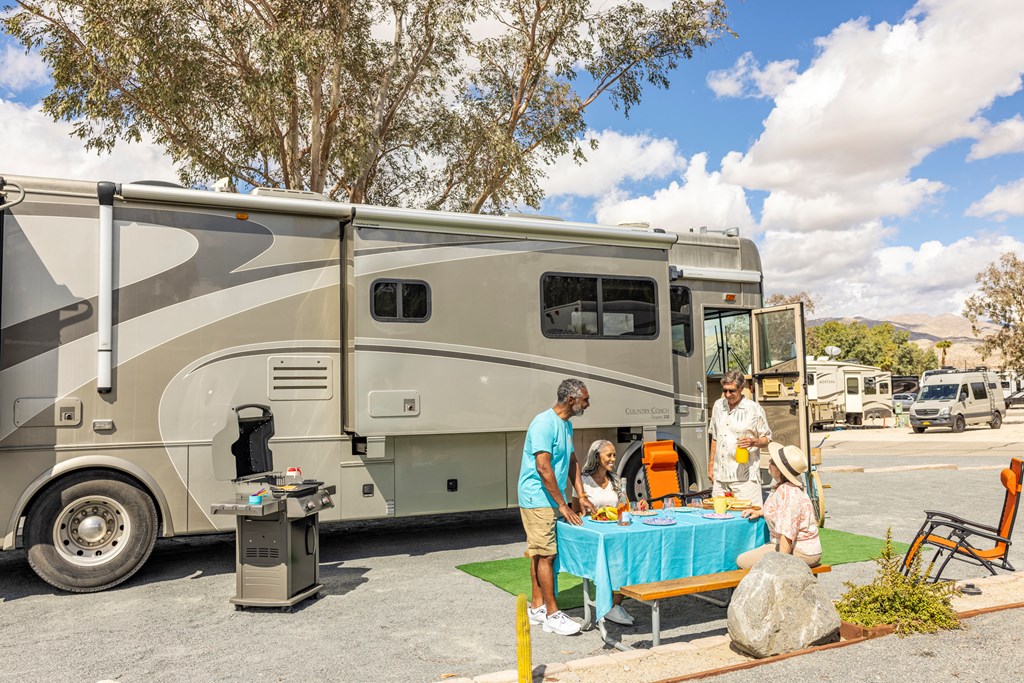
Class A Motorhomes
- Largest and most luxurious
- Features include full kitchens, bathrooms, and spacious living areas
- Ideal for long-term travel or families
- Pros: Comfort, storage, high-end features
- Cons: Expensive, harder to drive, higher fuel consumption
Class B Motorhomes (Camper Vans)
- Compact, van-like vehicles
- Easier to drive and park
- Limited living space but great for solo travelers or couples
- Pros: Maneuverable, fuel-efficient
- Cons: Smaller interiors, fewer amenities
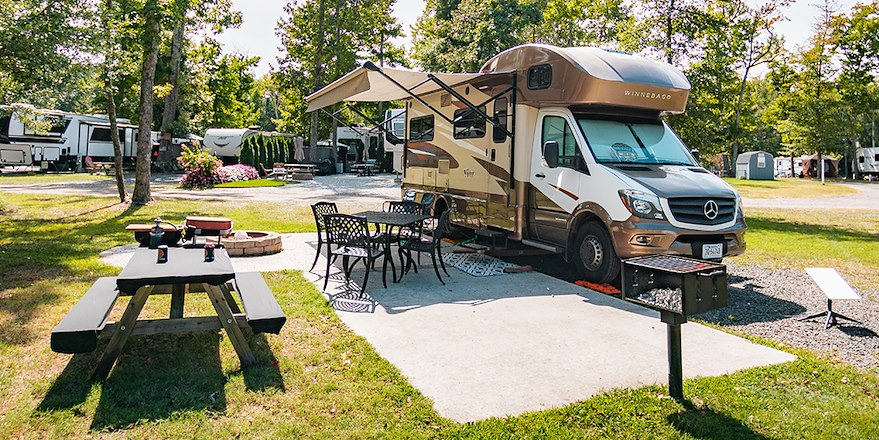
Class C Motorhomes
- Mid-sized, with over-cab sleeping area
- Balanced size and features
- Good for families or moderate travel needs
- Pros: More affordable than Class A, good sleeping capacity
- Cons: Less luxury, moderate maneuverability
Travel Trailers
- Towable by a separate vehicle
- Range of sizes and layouts
- Pros: Can detach and use tow vehicle separately
- Cons: Requires towing experience, storage space needed
Fifth-Wheel Trailers
- Larger towable RVs with a raised forward section
- Require pickup trucks for towing
- Pros: Spacious, stable
- Cons: Less maneuverable, towing required
3. Determine Your Budget
Factors to Consider
- Purchase price: New vs. used RVs
- Ongoing costs: Insurance, maintenance, fuel, campground fees
- Upgrades: Solar panels, towing equipment, extra storage
Practical Tip
Budgeting realistically prevents surprises. Include maintenance, fuel, and campsite costs, not just the purchase price. I saved thousands by comparing total ownership costs instead of just the sticker price.
4. Consider Size and Layout
- Sleeping arrangements: How many beds or convertible spaces are needed?
- Kitchen and bathroom: Do you need full-size appliances or compact options?
- Storage: Consider closets, cabinets, and exterior compartments
- Living space: Enough room for relaxing, especially for families or extended trips
Real-Life Insight
I initially overlooked storage space, and ended up adding aftermarket organizers—planning ahead avoids these issues.
5. Inspect New vs. Used RVs
New RVs
- Warranty coverage and latest features
- Less immediate maintenance needed
- Cons: Higher price
Used RVs
- Lower upfront cost
- Variety of models and years
- Cons: Possible hidden issues, shorter lifespan
Inspection Checklist for Used RVs
- Check for leaks or water damage
- Inspect tires and brakes
- Test appliances, plumbing, and electrical systems
- Review maintenance history and mileage
6. Test Drive and Experience
- Drive the RV in various conditions to assess handling
- Check maneuverability in tight spaces and parking
- Ensure comfortable seating, visibility, and control layout
- Walk through the interior to assess space, accessibility, and functionality
Practical Tip
Spending a day inside a demo RV helps you understand the real comfort and usability beyond brochures and photos.
7. Check Essential Features
- Kitchen: Refrigerator, stove, microwave, counter space
- Bathroom: Toilet, shower, storage
- Sleeping areas: Comfortable beds, privacy options
- Climate control: Heating, air conditioning, ventilation
- Entertainment and tech: Wi-Fi boosters, TVs, USB outlets
- Safety features: Smoke detectors, carbon monoxide alarms, fire extinguishers
8. Plan for Maintenance and Storage
- Regular maintenance extends RV lifespan: check engine, tires, roof, plumbing, and electrical systems
- Consider storage options when not in use: garage, covered lot, or RV storage facility
- Budget for winterizing and seasonal care if you live in cold climates
Real-Life Insight
I underestimated storage space and had to rent a facility—planning ahead saves both time and money.
9. Consider Fuel Efficiency and Towing Capacity
- Motorhomes and larger RVs consume more fuel—factor this into ongoing costs
- Trailers require a vehicle capable of towing safely
- Check payload limits, hitch requirements, and braking systems
10. Seek Expert Advice
- Join RV forums and communities for firsthand experiences
- Attend RV shows to explore different models and ask questions
- Talk to RV dealers and ask about warranties, service plans, and financing options
Practical Tip
I found joining an online RV community invaluable—members shared honest reviews, maintenance tips, and real-life road experiences.
Final Thoughts
Choosing the right RV comes down to understanding your travel needs, budget, and lifestyle. By evaluating RV types, layouts, features, and costs carefully, you can find the perfect vehicle for unforgettable adventures.
Start with your priorities, inspect options thoroughly, and plan for long-term use. With thoughtful preparation, your RV will become a comfortable, reliable home on wheels, ready to take you wherever adventure calls.